Hiring decisions can have a significant impact on a small business’s productivity, culture, customer service, and revenue. As a result, many business owners are asking how can small businesses reduce hiring bias in 2026. Creating a consistent and structured evaluation process can help employers focus on job-related qualifications rather than subjective impressions.
To begin, it’s important to understand why small businesses should use standardized hiring criteria. Without clearly defined criteria, different candidates may be evaluated according to different standards. A structured process gives hiring managers a consistent framework for comparing applicants based on the skills, experience, behaviors, and qualifications required for the position.
One of the biggest advantages is understanding how structured hiring processes improve employee selection. Before recruiting begins, businesses can identify the most important competencies for the position and establish how each will be evaluated. This creates greater consistency from the initial résumé review through interviews and final selection.
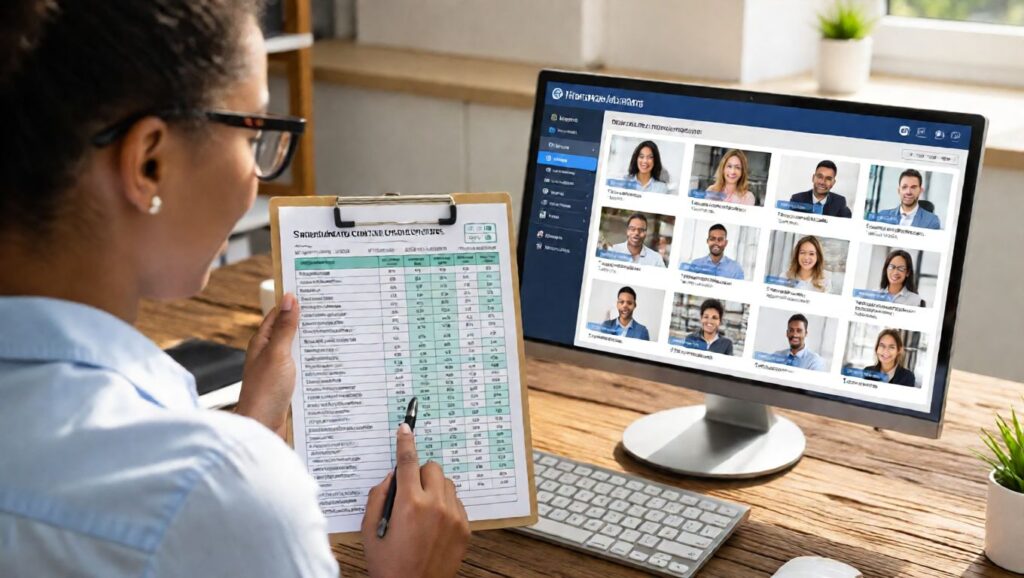
Many business owners ask what a standardized employee evaluation scorecard is. It is a structured document that allows hiring managers to rate candidates against predetermined job-related criteria. Categories might include technical skills, communication, customer service, problem-solving, adaptability, teamwork, and relevant experience.
Another important question is how small businesses can make hiring decisions more objective. Employers can use the same interview questions for candidates applying for the same position, establish consistent scoring criteria, conduct relevant skills assessments, and document the reasons behind hiring decisions.
A common concern is whether reducing hiring bias improves employee performance and retention. A more consistent process can help businesses identify candidates based on their actual qualifications and suitability for the role. Better job matching can contribute to stronger performance, employee satisfaction, and retention.
Businesses should carefully define what hiring criteria they should use when evaluating candidates. Criteria should be directly related to the responsibilities of the position. For example, a customer service role might emphasize communication, empathy, problem-solving, and product knowledge, while an accounting position may emphasize financial accuracy, technical proficiency, organization, and relevant credentials.
Understanding how structured interviews improve hiring fairness is equally important. Asking candidates comparable questions and evaluating their responses using predetermined standards makes it easier to compare applicants consistently.
Technology can also support the process. Businesses may use recruiting software and AI-assisted tools to organize applications, standardize interview workflows, and maintain evaluation records. However, automated tools should be monitored carefully and should not replace human judgment.
Ultimately, objective hiring helps small businesses build stronger teams by creating a process that focuses on what candidates can contribute to the organization. Better hiring decisions can improve productivity, customer service, employee engagement, and revenue.
In 2026, reducing hiring bias is not simply about making the hiring process more consistent. It is about creating a smarter business system. Small businesses that establish clear, job-related evaluation criteria can make more informed hiring decisions, identify qualified candidates more effectively, improve workforce quality, and build teams capable of supporting long-term sales and profitability.