Hiring should not be viewed as a one-time activity that ends when a position is filled. For small businesses, continuously improving the hiring process can help reduce employee turnover, lower recruiting costs, improve productivity, and build a workforce that contributes to long-term sales and profitability.
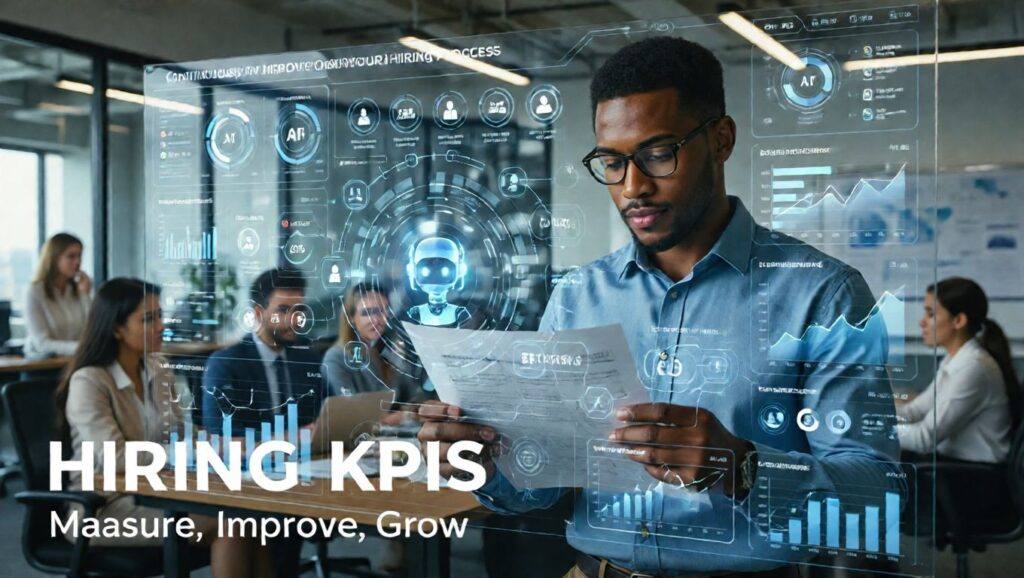
The first step is to regularly evaluate what is working and what is not. Business owners can review hiring KPIs such as time-to-hire, cost-per-hire, employee retention, quality-of-hire, time-to-productivity, and new-hire performance. These measurements can reveal weaknesses that may otherwise go unnoticed.
Employee feedback can also provide valuable information. New employees can be asked about their experience with the job advertisement, interview process, communication, onboarding, training, and expectations. Their feedback may reveal opportunities to make the recruitment experience clearer and more effective.
Small businesses should also review their job descriptions regularly. Responsibilities, required skills, technology, customer expectations, and business goals can change quickly. Keeping job postings updated helps attract candidates who are genuinely qualified for the current position rather than relying on outdated requirements.
Another important strategy is to analyze why employees leave. If multiple employees hired through the same process leave within a short period, the business should investigate whether there is a problem with candidate screening, compensation expectations, job descriptions, onboarding, management, or workplace culture.
AI-powered recruiting tools can also help businesses identify patterns in candidate data, organize applications, automate scheduling, create interview summaries, and provide insights into the effectiveness of different recruiting channels. However, AI should support human decision-making rather than completely replace it.
Continuous improvement also means learning from successful hires. Identify employees who have become highly productive, retained customers, generated sales, solved problems, or taken on leadership responsibilities. Then determine which characteristics, skills, and hiring criteria those employees had in common.
Ultimately, the best hiring process is not static. Small businesses that measure results, collect feedback, analyze outcomes, and continually refine their approach can make better hiring decisions over time. A stronger hiring process leads to stronger employees—and stronger employees can lead to better customer experiences, increased sales, and greater profitability.