As businesses look for ways to make training more engaging, many owners are asking what is gamification in employee training for small businesses and how it can improve learning outcomes. In 2026, traditional training methods are often replaced by more interactive and motivating approaches.
Gamification involves adding game-like elements—such as points, rewards, challenges, and leaderboards—to training programs. This explains why gamification is effective for employee learning in 2026. Employees are more likely to stay engaged when training feels interactive and enjoyable.
One of the key advantages is gamification improves employee engagement in training. Instead of passively consuming information, employees actively participate, compete, and track their progress. This increases motivation and encourages consistent learning.
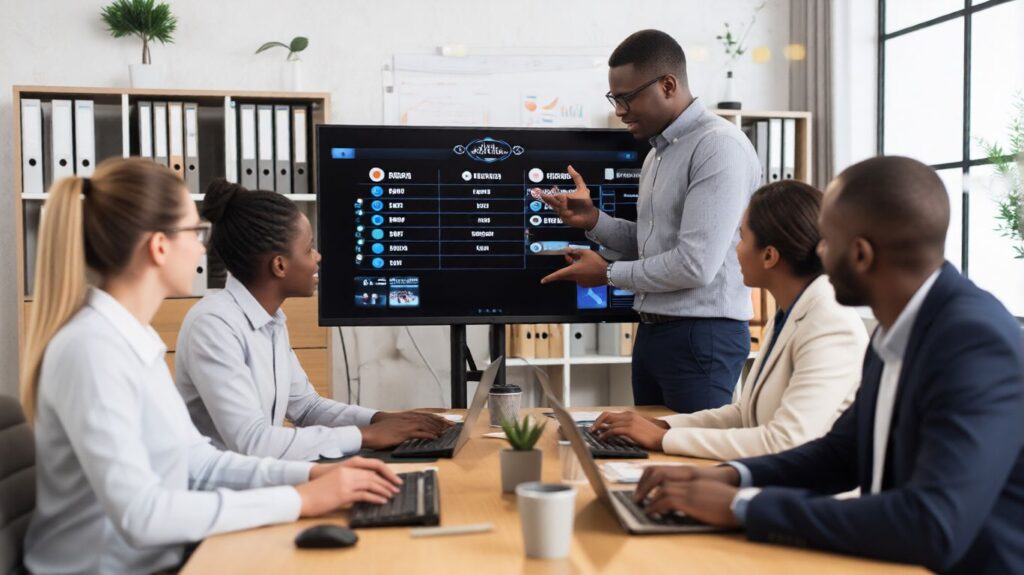
Many organizations are exploring how small businesses use gamification in training programs by incorporating simple elements such as quizzes, achievement badges, and performance-based rewards. These features make training feel more like a challenge than a task.
There are clear benefits of gamified training for small business teams. Employees are more likely to complete training, retain information, and apply what they learn. Gamification also creates a sense of accomplishment and progress.
Business owners often review examples of gamification in employee training programs, such as interactive quizzes, scenario-based challenges, and leaderboard competitions. These formats help employees stay engaged while learning important skills.
A common question is does gamification improve employee performance. The answer is yes. When employees are motivated to learn and improve, their performance naturally increases.
Understanding how to create gamified training programs for employees involves setting clear goals, defining rewards, and designing activities that align with business objectives. Training should remain meaningful while incorporating engaging elements.
Many companies also look for best gamification tools for small business training, such as learning platforms that include scoring systems, badges, and progress tracking features.
Finally, recognizing how rewards and incentives improve employee learning is essential. Positive reinforcement encourages employees to continue learning and performing at a higher level.
In 2026, gamification is transforming employee training. Small businesses that make learning engaging and interactive can build more motivated teams and achieve better training outcomes.