
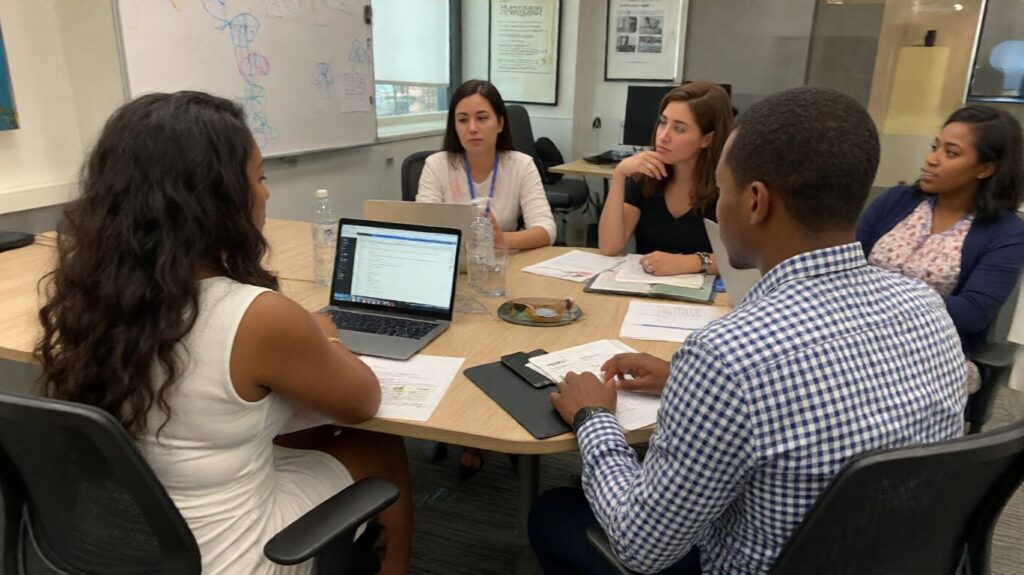
Many business owners underestimate why ongoing customer service training is important, assuming that initial onboarding is enough. In 2026, customer expectations evolve quickly, and skills must evolve with them.
So how often should small businesses train customer service employees? Training should not be a once-a-year event. Short monthly refreshers, quarterly workshops, and ongoing micro-learning sessions keep teams sharp and adaptable.
Research consistently shows does continuous training improve customer satisfaction. When employees feel confident and prepared, they respond faster, handle objections better, and communicate more clearly. This directly impacts outcomes and loyalty.
Owners should also consider what skills should customer service employees learn in 2026. Beyond product knowledge, staff need emotional intelligence, conflict resolution, digital communication skills, and familiarity with support technology.
Learning how to create a continuous training plan for employees starts with identifying common service gaps. Reviewing complaints and feedback helps target areas for improvement. This approach supports how training reduces customer complaints by addressing root causes instead of surface problems.
There are also common mistakes in customer service training, such as overwhelming employees with theory, failing to provide practice scenarios, or neglecting follow-up reinforcement. Training should be practical, interactive, and measurable.
To ensure improvement, leaders must understand how to measure the effectiveness of customer service training. Metrics like first contact resolution, customer satisfaction scores, and reduced escalations provide clear signals of progress.
Investing in the best customer service training programs for small businesses doesn’t require expensive consultants. Internal workshops, peer role-playing, and online modules can be highly effective when applied consistently.
Finally, business owners often ask, does employee training increase customer loyalty? The answer is yes. Well-trained employees create smoother experiences, which customers remember and reward with repeat business.
In 2026, continuous training is not optional—it is a competitive advantage. Small businesses that prioritize ongoing development create confident teams and exceptional customer experiences.