Recruiting can consume significant time and resources, especially for a small business with limited staff. As artificial intelligence continues to transform business operations, many owners are asking how can small businesses use AI to improve hiring in 2026. Used appropriately, AI can automate repetitive recruiting tasks while allowing business owners and hiring managers to spend more time evaluating candidates and making informed decisions.
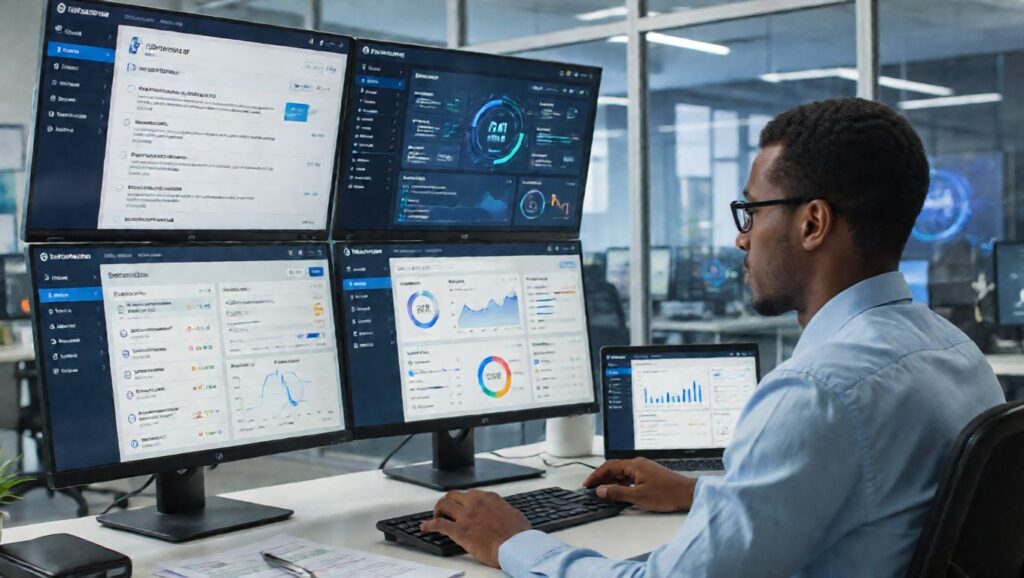
To begin, it’s important to understand why small businesses should use AI in the recruitment process. Reviewing résumés, organizing candidate information, scheduling interviews, and communicating with applicants can take hours. AI-powered tools can assist with these administrative tasks, helping small businesses streamline their hiring workflow.
One of the biggest advantages is understanding how AI reduces the time and cost of hiring employees. AI can help organize applications, identify candidates whose qualifications match predefined job requirements, automate interview scheduling, and generate recruiting summaries. This can shorten administrative processes and allow hiring managers to focus on higher-value activities.
Many business owners ask what are the best AI hiring tools for small businesses in 2026. Useful categories include AI recruiting platforms, applicant tracking systems, résumé screening tools, interview scheduling assistants, candidate communication platforms, skills assessment systems, and AI-powered onboarding solutions.
A common question is can AI help small businesses find better job candidates. AI can help identify candidates based on predefined qualifications and job-related criteria. However, it should support—not replace—human judgment. A résumé does not reveal everything about a candidate’s attitude, communication style, adaptability, or cultural alignment.
Businesses are also exploring how AI can screen résumés and applications more efficiently. AI systems can organize large numbers of applications and highlight qualifications that match specific job requirements, reducing the amount of manual sorting required.
Another opportunity is understanding how AI improves the employee interview process. AI can assist with interview scheduling, question preparation, note organization, candidate comparisons, and interview summaries. Structured processes can help hiring managers evaluate candidates more consistently.
However, businesses must recognize the risks of using AI for hiring decisions. AI systems can produce inaccurate or biased results if they are poorly designed, trained on problematic data, or used without appropriate oversight. Employers should regularly review automated processes and ensure that employment decisions comply with applicable laws and organizational policies.
The most effective approach is understanding how small businesses can use AI while maintaining human oversight. AI should handle repetitive administrative work while humans make final decisions based on job-related qualifications, interviews, references, skills assessments, and organizational needs.
Finally, AI-powered hiring can help increase employee productivity and sales by helping businesses fill positions more efficiently and identify candidates whose skills align with the company’s requirements.
In 2026, AI can become a valuable recruiting assistant for small businesses. When combined with structured hiring practices and human judgment, AI can reduce administrative workload, accelerate recruiting, improve consistency, and help businesses build stronger teams that contribute to customer satisfaction, sales, and long-term profitability.