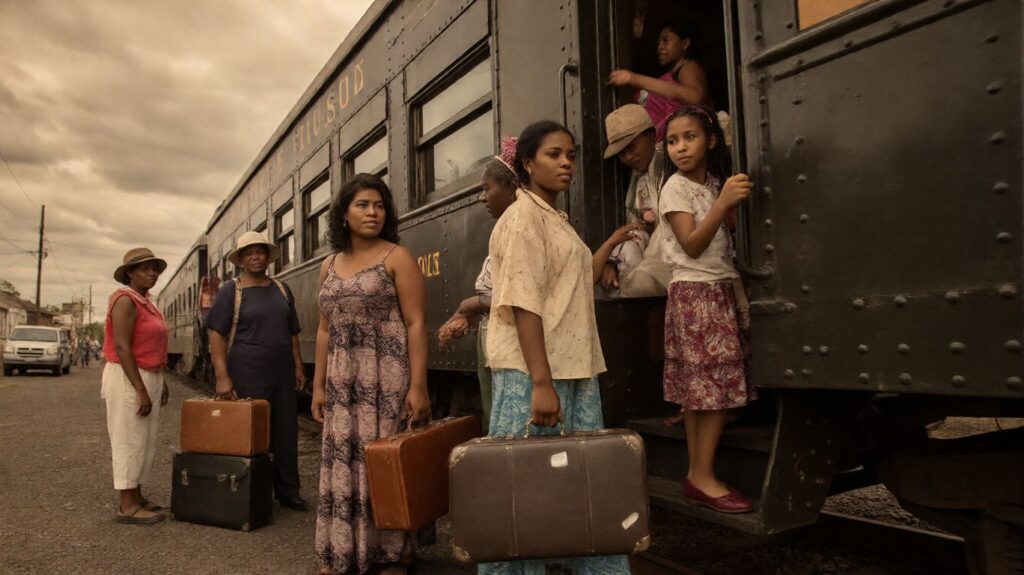
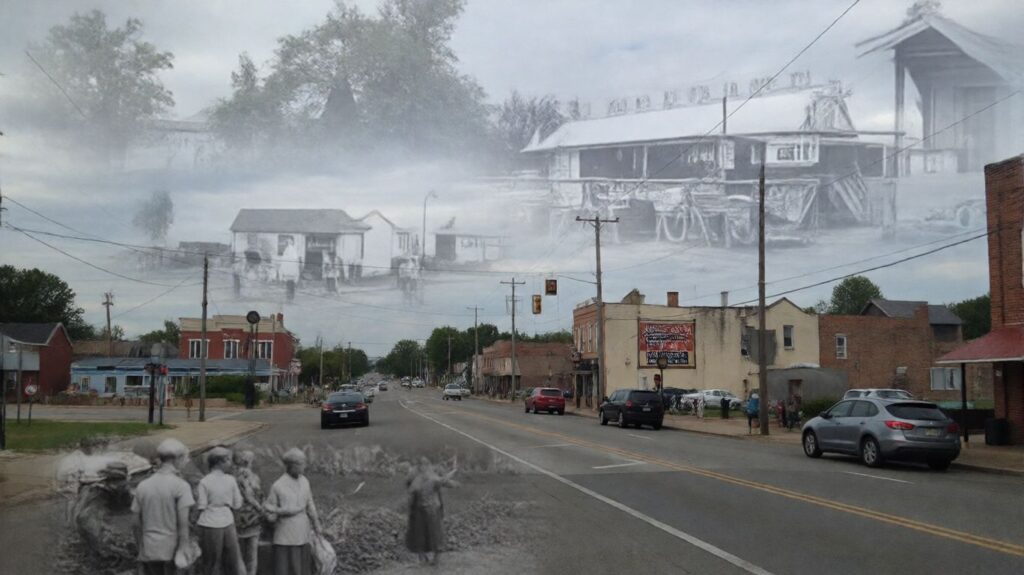
A bold beginning rooted in independence, resilience, and vision.
From Chains to Community: The Rise of Mound Bayou
Discover the extraordinary story of self-determination in the Mississippi Delta.
Nestled in the Mississippi Delta, Mound Bayou stands as one of the most powerful symbols of African American self-determination in U.S. history. Founded in the late 19th century by formerly enslaved Africans, the town became a beacon of independence, economic strength, and community pride during a time of widespread racial oppression.
A Legacy of Freedom, Resilience, and Black Excellence.
In 1887, Isaiah T. Montgomery and his cousin Benjamin T. Green established Mound Bayou on land purchased from the Louisville, New Orleans and Texas Railroad.
Their vision was bold: to create a town governed, built, and sustained entirely by African Americans—free from the systemic racism and violence that defined the post-Reconstruction South.
At a time when many Black Americans faced disenfranchisement and economic hardship, Mound Bayou offered something revolutionary: self-governance, opportunity, and safety.
A Thriving Black Community
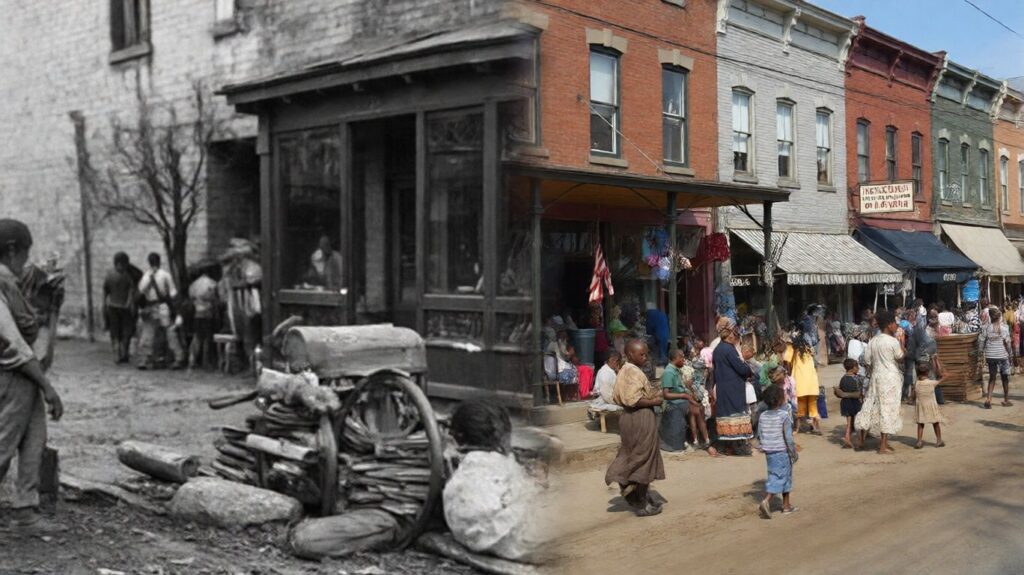
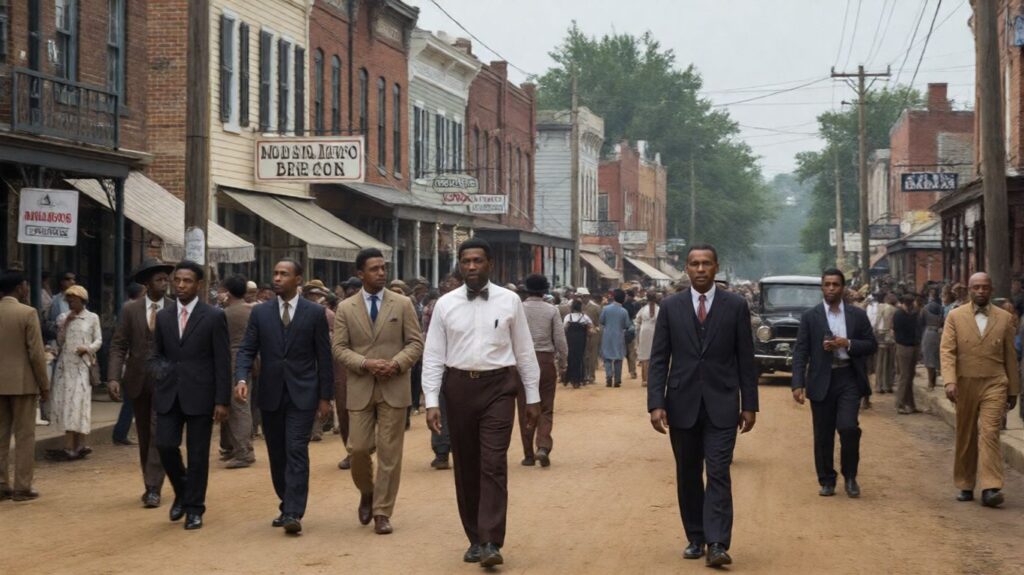
By the early 1900s, Mound Bayou had grown into a thriving, self-sufficient community. It featured:
Black-owned businesses
Banks and financial institutions
Schools and churches
Farms and agricultural enterprises
The town became a model of Black economic independence, drawing attention from across the nation.
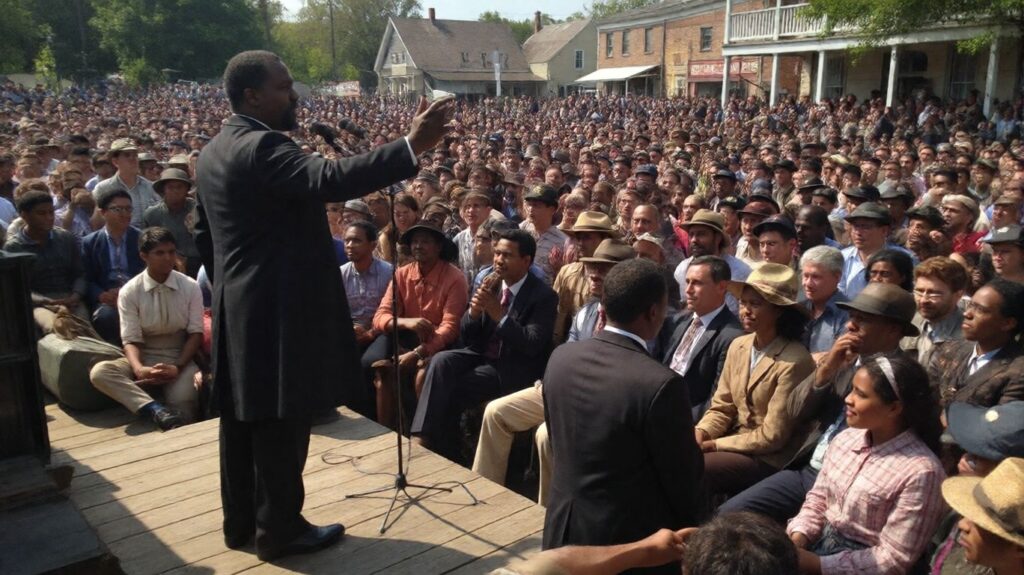
Prominent African American leader Booker T. Washington visited Mound Bayou and praised it as a shining example of what Black Americans could achieve through unity and self-reliance.
A Beacon During Hard Times
During the era of Jim Crow laws, Mound Bayou stood apart. While much of the South enforced strict segregation and violence, the town provided:
A safe haven for African Americans
Economic opportunity without white control
Political autonomy and leadership
Its success challenged widespread racist assumptions and became a powerful symbol of resistance and empowerment.
The Great Migration and Economic Shifts
Like many Southern communities, Mound Bayou felt the effects of the Great Migration, as many residents moved north in search of new opportunities.
Over time, economic challenges—including shifts in agriculture and limited investment—led to a decline in population and prosperity. Despite this, the town’s legacy remained intact.
Cultural and Historical Significance
Mound Bayou is more than just a town—it is a cornerstone of African American history. It represents:
One of the first all-Black incorporated towns in America
A successful example of post-slavery self-determination
A living testament to resilience and community strength
Historians and scholars continue to study Mound Bayou as a key chapter in the broader story of Black empowerment in the United States.
Mound Bayou Today
Today, Mound Bayou remains a small but historically rich community. Efforts to preserve its legacy include:
Historical markers and educational programs
Community revitalization initiatives
Ongoing recognition of its national significance
Visitors and historians alike are drawn to its story—a reminder of what determination and unity can achieve, even in the face of overwhelming adversity.
The story of Mound Bayou is one of courage, vision, and resilience. Founded by formerly enslaved people seeking freedom and opportunity, it grew into a powerful symbol of Black independence in America.
Its legacy continues to inspire generations, proving that even in the darkest times, communities can rise, build, and thrive on their own terms.