Many owners ask how can small businesses improve self-service customer support without pushing customers away. In 2026, self-service is expected—but only when it works. Customers want fast answers, not dead ends.
One of the main reasons customers get frustrated with self-service options is when those systems are designed to deflect help rather than provide it. This leads to confusion, repeated searches, and growing irritation. Understanding what is good self-service customer service design starts with clarity and accessibility.
The key question is how to balance self-service and human support. Effective self-service should solve simple problems while making it easy to reach a person when needed. Customers often ask, do customers prefer self-service or human support? The answer is both—depending on the situation.
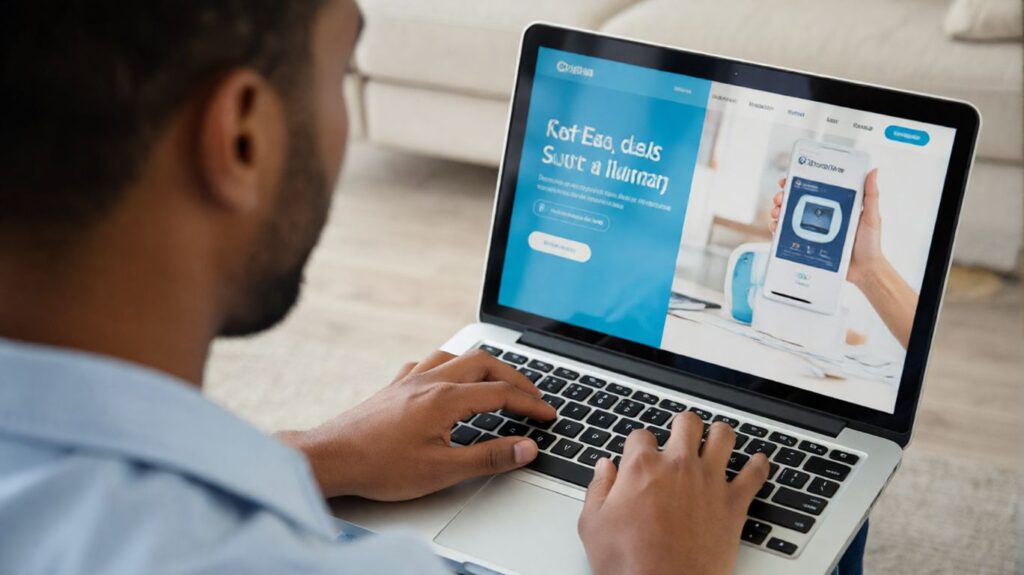
Clear examples of effective self-service for service businesses include searchable FAQs, short explainer videos, appointment portals, and billing dashboards. These tools reduce wait times and empower customers to solve problems independently.
However, common mistakes in self-service customer service include hiding contact information, using confusing language, and forcing customers through endless menus. These mistakes damage trust and worsen satisfaction.
Businesses should also consider how self-service affects customer satisfaction. When done well, self-service increases confidence and control. When done poorly, it creates friction and abandonment.
Knowing when customers should be able to reach a human agent is critical. Complex issues, emotional situations, and billing disputes should never be locked behind automation. Human access should always be visible and easy.
The best self-service tools for small businesses integrate with CRMs and support systems so human agents can step in seamlessly when needed.
In 2026, self-service should feel empowering—not isolating. Small businesses that design self-service with empathy, clarity, and human backup will deliver better experiences and stronger loyalty.