
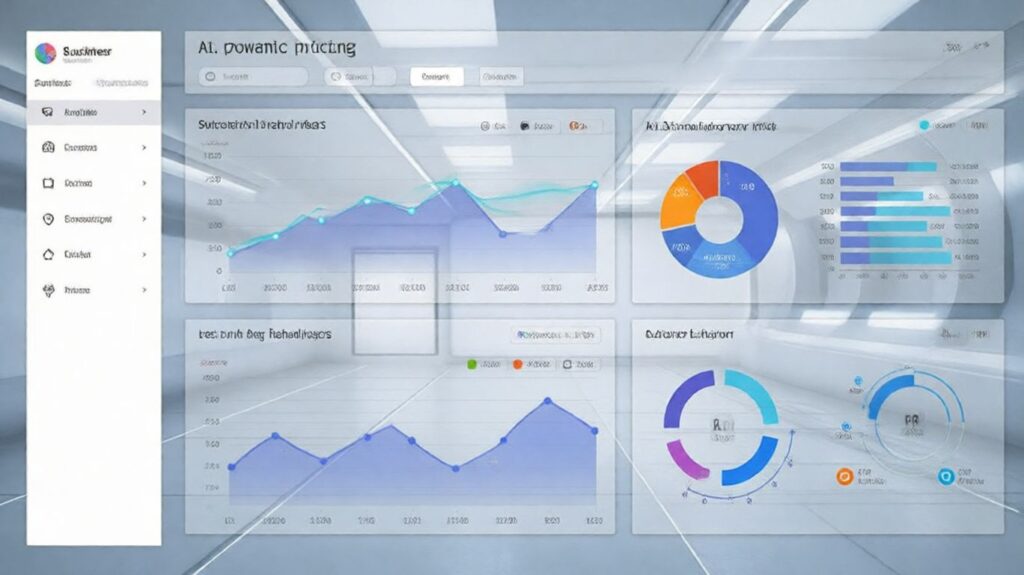
AI-powered dynamic pricing optimization is quickly becoming one of the most powerful ways small businesses will increase sales and protect margins in 2026. As costs fluctuate and customer demand becomes more unpredictable, many service providers struggle with static pricing models that leave money on the table. This is where AI-powered dynamic pricing optimization for small businesses delivers a measurable advantage.
Unlike traditional pricing strategies, AI dynamic pricing software for small business revenue growth continuously analyzes real-time data. It evaluates customer behavior, booking patterns, seasonal demand, competitor pricing, and historical sales performance. This allows businesses to answer a critical question: How does AI-powered dynamic pricing increase sales for small businesses? The answer lies in precision and timing.
With AI adjusting prices in real time based on customer demand, service businesses can raise prices during peak demand without alienating customers and lower prices strategically during slower periods to drive volume. This prevents chronic underpricing while maintaining competitiveness. Many owners worry, Is dynamic pricing with AI risky for customer trust? When implemented transparently, AI pricing models focus on fairness, consistency, and value-based adjustments rather than sudden spikes.
Another key benefit is how AI analyzes customer behavior for pricing decisions. The system identifies price sensitivity among different customer segments, allowing businesses to personalize pricing, promotions, or bundled offers. This level of insight was once only available to large enterprises but is now accessible through affordable AI pricing software for small business revenue growth.
Small businesses also benefit by reducing revenue leakage. Many ask, Can AI dynamic pricing reduce revenue loss from underpricing? Absolutely. AI models flag services that are consistently undervalued and recommend price adjustments based on market demand and performance trends.
In competitive markets, AI pricing models help small businesses stay competitive without engaging in destructive price wars. By responding instantly to market shifts, businesses can protect margins, increase average transaction value, and improve long-term profitability—all while delivering pricing that aligns with customer expectations.